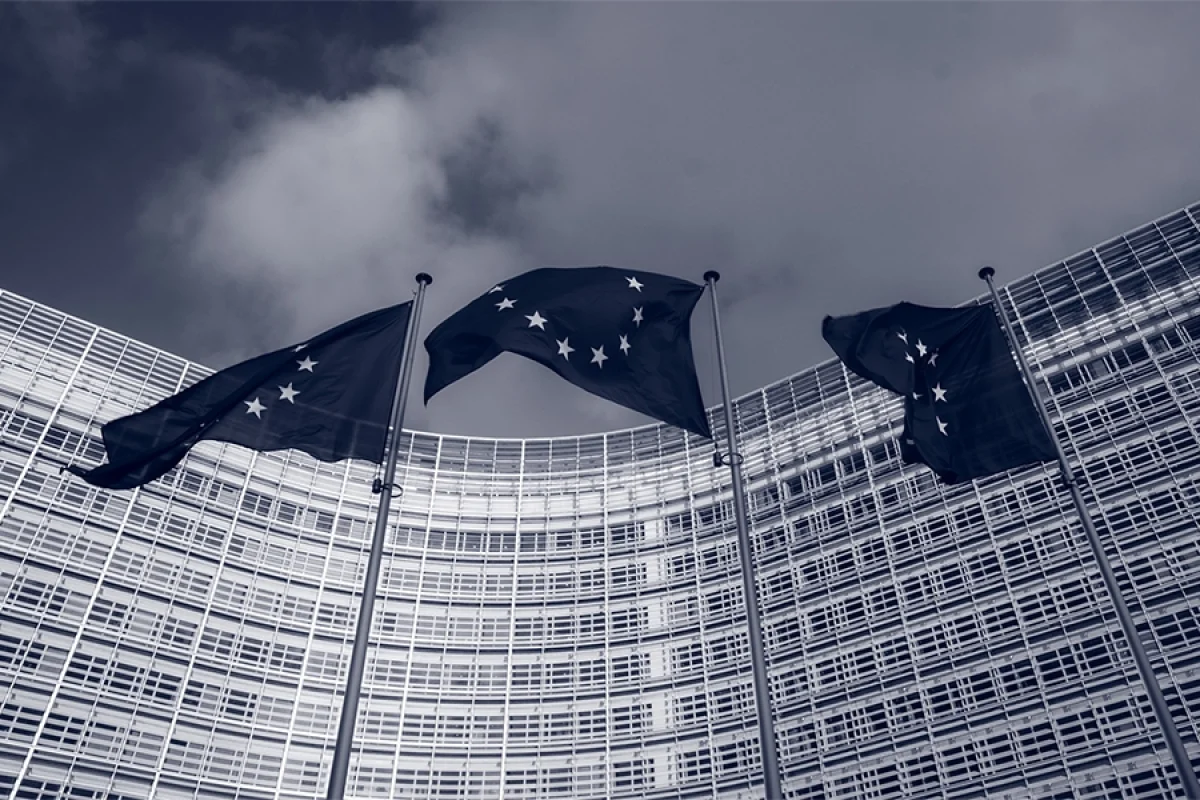
Digital Services Act
The spread of fake news and misinformation has become a major concern in recent years, particularly in the wake of the COVID-19 pandemic. Misinformation can have a significant impact on public health, as well as on democratic processes and social cohesion. The European Commission has therefore taken action to address this issue, with a proposed Digital Services Act package, which includes new rules on tackling disinformation.
The spread of misinformation online is a serious issue, and one that requires a coordinated response from policymakers, online platforms, and civil society. The proposed Digital Services Act package is an important step towards addressing this issue, and the proposed rules on tackling disinformation are a key part of this.
By increasing transparency and accountability among online platforms, the rules are designed to help users make more informed decisions about the content they consume, and to prevent the spread of harmful or illegal content. While there are concerns about the potential unintended consequences of the rules, it is important that policymakers continue to prioritize the fight against misinformation online, and work towards a safer and more informed digital environment for all.
What Are the Proposed Rules?
The proposed rules include a number of measures designed to increase transparency and accountability among online platforms. These include:
Requiring platforms to provide clear information about how their algorithms work, and how they moderate content. This will help users to better understand why certain content is being recommended to them, and what measures are in place to protect them from harmful content.
Establishing a European Digital Media Observatory, which will be tasked with monitoring and analyzing online disinformation trends. The Observatory will also work with fact-checkers and researchers to identify and expose disinformation campaigns.
Introducing new rules to ensure that online platforms take more responsibility for the content that is posted on their sites. This will include measures such as requiring platforms to take down illegal content within an hour of being notified, and to provide users with more information about the origin of content.
What Will the Impact Be?
The proposed rules have been welcomed by many as a positive step towards addressing the spread of misinformation online. By increasing transparency and accountability among online platforms, the rules are designed to help users make more informed decisions about the content they consume, and to prevent the spread of harmful or illegal content.
However, some have raised concerns that the rules could have unintended consequences, such as limiting freedom of speech or stifling innovation in the tech sector. It will be important for policymakers to strike a balance between protecting users from harmful content, while also ensuring that online platforms are able to operate effectively.
What Happens Next?
The proposed rules will now be subject to a period of consultation, during which stakeholders and members of the public will be invited to provide feedback. The European Parliament and the Council of the European Union will then need to agree on the final text of the rules before they can be adopted.
In the meantime, the European Commission is encouraging online platforms to take action to address the spread of misinformation on their sites. This could include measures such as promoting trustworthy sources of information, increasing transparency around advertising, and collaborating with fact-checkers and researchers to identify and remove false or misleading content.
Key Takeaways
- The European Commission has proposed new rules to combat the spread of misinformation online, as part of its Digital Services Act package.
- The proposed rules include measures to increase transparency and accountability among online platforms, such as requiring clear information about algorithms and moderation, and introducing new rules for content responsibility.
- The rules are designed to help users make more informed decisions about the content they consume, and to prevent the spread of harmful misinformation.